
Smarter investing lessons from the 2026 ETF Masterclass
Andrew Wielandt attended the Indexing and ETF Masterclass and came away with eye-opening insights about the changing investment landscape and what it means for everyday Aussies.
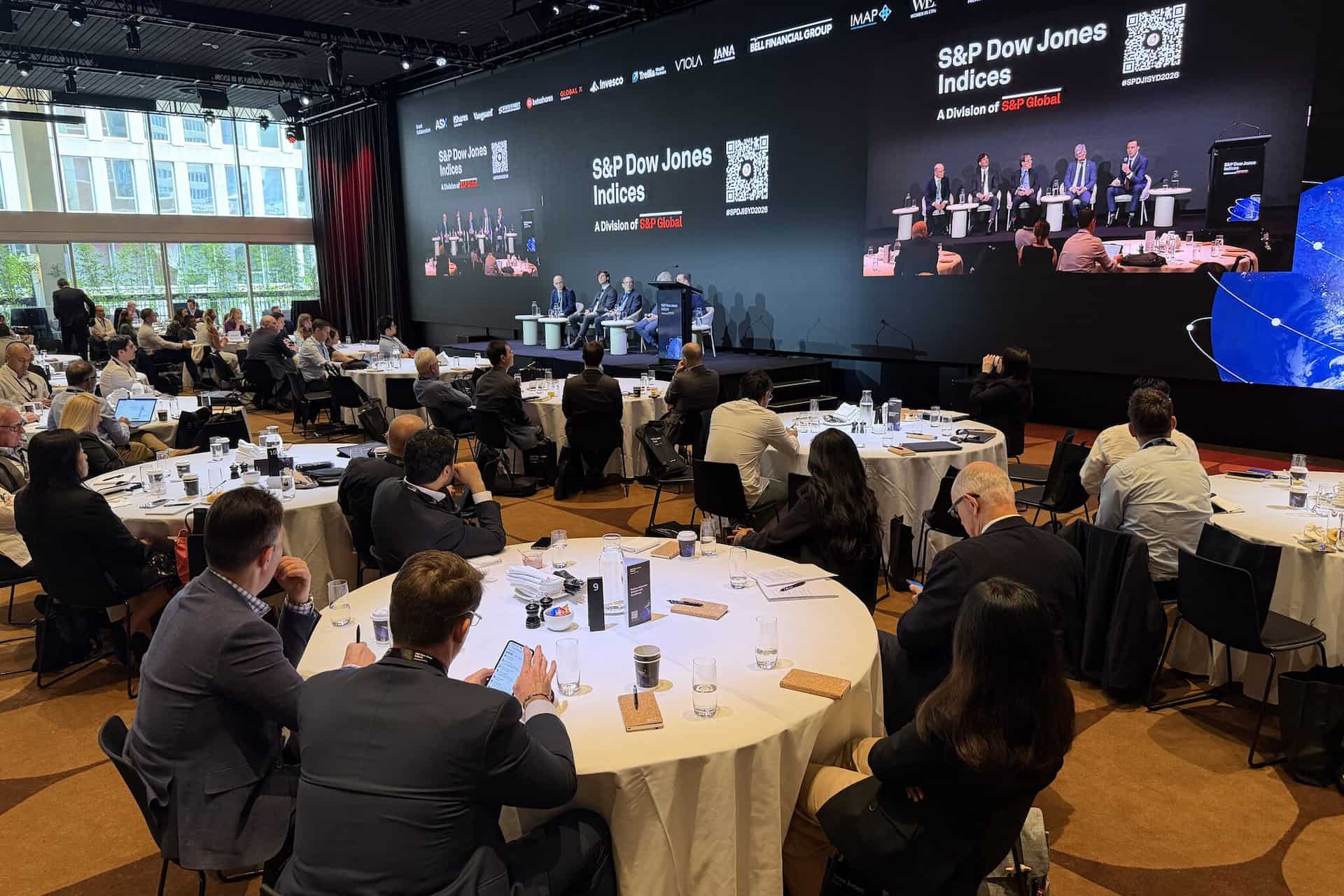
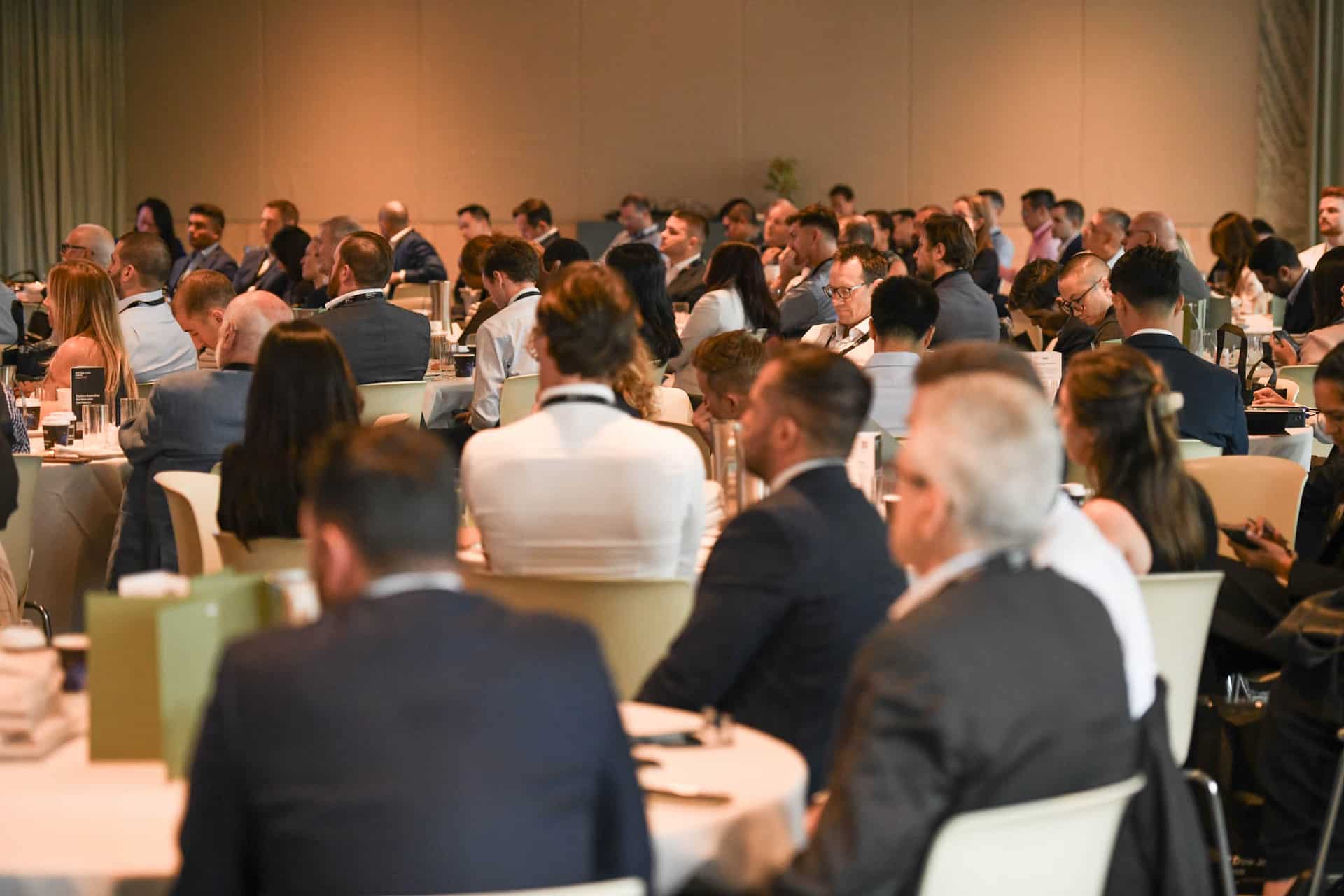
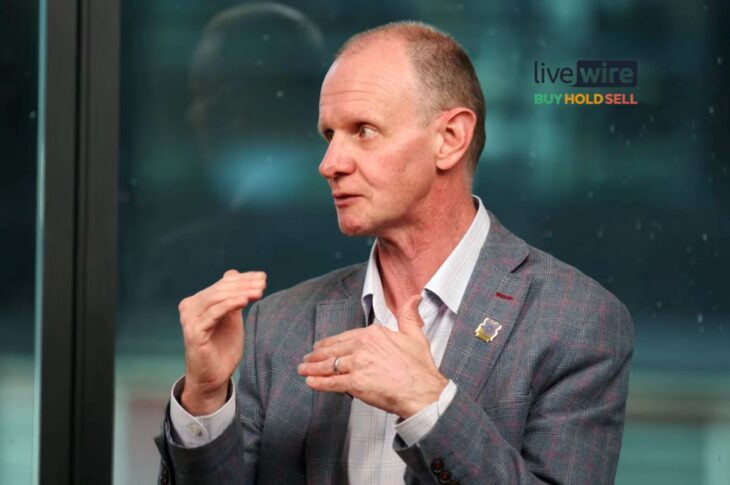
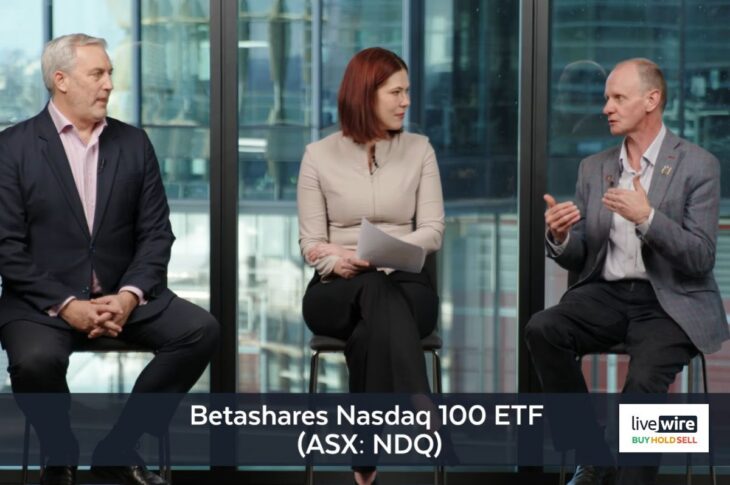
Our director, Andrew Wielandt, recently attended and spoke at the 16th Annual Australian Indexing and ETF Masterclass, hosted by S&P Dow Jones Indices in Melbourne and Sydney. In this piece, we discuss Andrew’s key takeaways from the event.

The ETF market is growing at a remarkable pace
The numbers shared at the Masterclass were hard to ignore. The global ETF industry grew by around 30% last year, and the market has been doubling in size roughly every five years. Experts at the event expect this to continue, with the industry forecast to double again within the next four years.
To put that in perspective: there are now more ETFs listed in the United States than there are individual companies listed on US stock exchanges. ETFs have evolved well beyond their origins as simple market-access tools. They’re now used across a wide range of investment strategies, asset classes, and client types, and are increasingly becoming the primary vehicle in managed accounts and modern portfolio structures.
Most active fund managers are not beating the market over the long run
One of the most discussed findings at the event came from the latest SPIVA Australia Report, which tracks how active fund managers perform against their benchmark indices over time. The data showed that 87% of active Australian fund managers failed to beat their benchmark over a 15-year period. Put simply, the majority of professional stock pickers, measured over the long haul, do not outperform simply tracking the market.
A portfolio simulation exercise at the event reinforced this, showing that 91% of simulated portfolios using active funds across asset classes underperformed index blends over ten years, with only 2% outperforming on a risk-adjusted basis.
That said, the picture is more nuanced in certain areas. Australian active bond managers have consistently outperformed their benchmarks in recent years, with short-term bonds in particular standing out. Active management in small-cap Australian shares has also shown more promising results. The key takeaway is that there are still pockets where active management can genuinely add value. The challenge is knowing where those pockets are and being willing to use index-based solutions everywhere else.
How a core and satellite approach can work for you
A recurring theme at the Masterclass was the core-and-satellite portfolio construction strategy, and Andrew found it particularly relevant for everyday investors.
The idea is straightforward. Your core holdings are built around low-cost, broad market ETFs that track major indices. They form the stable foundation of your portfolio and keep costs down. Your satellite holdings are smaller, targeted positions in areas where you or your adviser believes there is a specific opportunity, whether that is a particular sector, theme, region, or where an active manager genuinely has an edge.
The benefits of this approach include:
- Lower overall costs compared to an entirely actively managed portfolio
- Broad diversification at the core, reducing the risk of any single investment derailing your returns
- The flexibility to pursue specific opportunities or themes without betting the whole portfolio on them
The risks are also worth understanding. Satellite positions are by nature more concentrated and can be more volatile. If the satellites are not chosen carefully or reviewed regularly, they can drag on performance rather than add to it. This is where having an adviser who understands your goals and keeps a close eye on the overall picture really matters.
The bigger picture: Global forces and what they mean for investors
Beyond the nuts and bolts of portfolio construction, Andrew noted that the Masterclass covered significant macro themes reshaping how investors think about diversification and risk.
Geopolitical tensions, particularly in the Middle East and around US trade policy, are adding complexity to global markets. Central banks have less room to respond to shocks than they once did, and trade fragmentation is creating more uneven growth across regions. At the same time, technology competition, particularly in AI and semiconductors, is creating both opportunities and concentration risks in certain parts of the market.
The event also covered the rapid expansion of ETFs into new areas, including fixed income, digital assets such as Bitcoin and Ethereum, commodities such as gold and industrial metals, and thematic areas such as AI, clean energy, aerospace, and defence. Each of these brings its own considerations, and the message from practitioners was consistent: more choice is valuable, but due diligence and a clear portfolio purpose matter more than ever.
What this means for your investments
The growth of ETFs and the data around active management performance are not reasons to panic or upend your current strategy. They are, however, good reasons to ask questions.
- Are the funds in your portfolio earning their fees?
- Is your portfolio structured in a way that balances cost-efficiency with genuine opportunity?
- Are there areas, like small caps or short-term bonds, where active management might still be working in your favour?
Andrew’s attendance and participation at events like this is part of how we stay across the latest insights, tools, and thinking in the industry, so that the advice we give you is grounded in what is happening in the market.
If any of this raises questions about your own portfolio, we’d love to have that conversation with you and invite you to get in touch.
This website is produced as an information service only without assuming responsibility. It contains general information only and should not be relied on as a substitute for financial or other professional advice. For further information please read our important information.


Get DP Wealth Advisory insights in your inbox

"*" indicates required fields